News
Shopping for Perfume in Paris Like a Local: A Guide to Finding the Right Scent
Paris is known around the world for fashion, art, food and, of course, perfume.
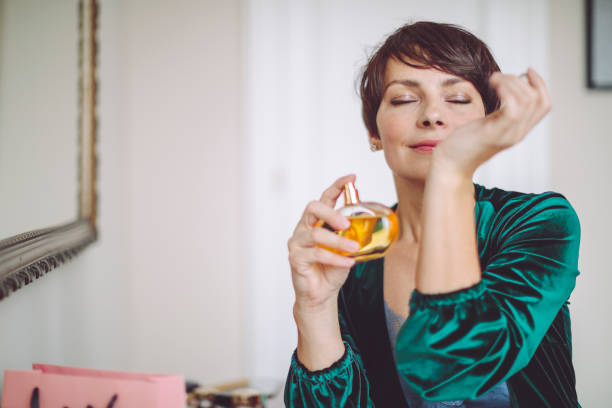
**Paris, France —** Paris is known around the world for fashion, art, food and, of course, perfume. In the French capital, buying a fragrance can be more than a simple shopping trip. For many perfume enthusiasts, visiting a *parfumerie* is an opportunity to explore the character of different scents, discover the history of fragrance houses and find something more personal.
From historic perfume houses to independent niche boutiques, Paris offers an enormous range of choices. Knowing how to test fragrances and interact with boutique staff can make the experience much more enjoyable.
## Paris and Its Perfume Tradition
Paris has a long relationship with fragrance. French perfumery developed strongly during the royal era and expanded throughout the 18th and 19th Centuries.
The relationship between perfume and fashion became particularly important in the 20th Century. One of the best-known examples is Chanel No. 5, introduced in 1921 and later becoming one of the world's most recognisable fragrances.
Today, Paris offers everything from historic houses such as Chanel and Guerlain to independent niche brands. Neighbourhoods such as Le Marais are particularly interesting for fragrance enthusiasts because of their concentration of perfume boutiques.
## Don't Test Too Many Fragrances at Once
One of the easiest mistakes to make when shopping for perfume is testing too many fragrances during the same visit.
The human sense of smell can experience *olfactory fatigue*, making it increasingly difficult to distinguish between different scents.
A better approach is to narrow the selection. Choose a few fragrances that immediately appeal to you, test them on your skin and give them time to develop.
A perfume does not necessarily smell the same from the first spray to the final dry down. Its opening *top notes* eventually give way to its middle character and, later, the scent that remains on the skin.
Giving a fragrance around 20 minutes or more can reveal much more about its personality.
## Test Perfume on Your Skin
Paper strips are useful for an initial comparison, but skin offers a different experience.
Body temperature and individual skin characteristics can affect how a fragrance develops. This is why a perfume that smells attractive on a paper strip may feel different once applied to the skin.
Instead of testing a dozen fragrances, choose a small number of candidates and compare how they evolve over time.
The process becomes less about finding something that simply smells "good" and more about discovering a scent that genuinely suits you.
## Don't Rub Your Wrists Together
Rubbing the wrists together after applying perfume is a familiar habit.
However, fragrance experts cited by BBC Travel recommend allowing the perfume to settle naturally instead. This makes it easier to follow the fragrance as it develops on the skin.
A simple approach is:
1. Spray the fragrance onto your skin.
2. Avoid rubbing it immediately.
3. Let it settle for several minutes.
4. Smell it again as it develops.
5. Pay attention to the dry down after around 20 minutes or longer.
## A Simple Greeting Can Start the Conversation
Shopping at a Parisian perfume boutique also involves a little etiquette.
A simple greeting when entering the shop is a natural way to begin the interaction. If you need help, describe the type of fragrance you are looking for instead of simply asking for the most popular perfume.
You might describe your preference as:
* fresh and clean;
* floral;
* woody;
* citrus;
* powdery;
* musky;
* sweet or gourmand;
* light enough for everyday wear.
This gives the staff a useful starting point for recommending fragrances.
## Explore Le Marais
For fragrance enthusiasts, **Le Marais** is one of the neighbourhoods worth exploring.
The area is home to boutiques and perfume houses representing both established and niche brands. Its variety makes it possible to experience very different fragrance styles within a relatively compact area.
The downside is that the number of choices can quickly become overwhelming. There is no need to visit every shop in one day.
Instead, select several boutiques with different identities and give yourself enough time to explore each one.
## Jovoy for Niche and Rare Fragrances
One of the perfume destinations highlighted by French fragrance expert Clémence Pelle is **Jovoy Paris**, located near the Louvre.
The store offers a broad selection of fragrance houses, including more specialised scents that may not be widely available through mainstream retailers.
It can therefore appeal to visitors who already know the kinds of notes they enjoy or want to move beyond familiar designer fragrances.
## Officine Universelle Buly and Old-World Paris
For visitors who care as much about the atmosphere of a shop as the products themselves, **Officine Universelle Buly** offers a distinctive experience.
Its old-fashioned apothecary-inspired interior creates the feeling of stepping into another era.
The brand sells fragrances alongside personal-care products and items that can be personalised. Its water-based fragrance products also offer a lighter approach to scent.
## When Perfume Becomes a Sensory Experience
Paris' perfume scene is also evolving beyond the traditional shopping experience.
Some boutiques incorporate music, drinks, interior design and personal consultations into the process of discovering a fragrance.
L'Orchestre Parfum, for example, connects fragrances with musical experiences. Concepts like this show how perfume can be presented as a broader sensory and emotional experience rather than simply another beauty product.
## A Growing Interest in Clean and Light Scents
According to Clémence Pelle, one current Parisian fragrance trend is an interest in clean, subtle scents that can evoke freshly washed clothes, soft soap, powder or skin.
These fragrances tend to feel less imposing than highly concentrated or intensely projecting compositions.
The trend also fits a more understated approach to wearing perfume: fragrance does not necessarily need to fill an entire room to become part of someone's identity.
## A More Minimal Approach to Wearing Perfume
There is no universal rule for how much perfume someone should wear. A minimalist approach, however, can be a useful starting point.
The neck and area behind the ears are among the places commonly used for fragrance because body warmth can help the scent develop.
Rather than applying a large amount immediately, start with a few sprays and see how the fragrance evolves.
The goal is not necessarily to make everyone around you notice the perfume from across the room, but to create an aroma that feels naturally connected to the wearer.
## Timing Your Visit
Popular perfume boutiques can become busy, particularly during tourist-heavy periods.
For a quieter experience, visiting during the working week may help. BBC Travel's interview with Pelle mentions Tuesday through Thursday, around 14:00–15:00, as times when some boutiques she visited had been relatively quiet. Conditions can, of course, change depending on the season, events and visitor numbers.
## Paris Is About More Than Chanel
Chanel, Dior and Guerlain may be among the most recognisable names associated with French perfume, but Paris' fragrance world is much broader.
Visitors can also explore houses and boutiques such as:
* Maison Francis Kurkdjian
* Frédéric Malle
* Diptyque
* Serge Lutens
* L'Artisan Parfumeur
* État Libre d'Orange
* Jovoy
* Officine Universelle Buly
The city's perfume ecosystem includes historic houses, contemporary brands, niche perfumers and boutiques specialising in unusual or hard-to-find fragrances.
## Ultimately, Choose a Scent That Feels Personal
Shopping for perfume in Paris is not necessarily about finding the most expensive or most popular bottle.
The experience becomes more meaningful when you use it to understand what you actually enjoy — perhaps fresh citrus, soft florals, clean musk, warm woods or sweet gourmand notes.
Take your time, test fragrances gradually, talk with boutique staff and allow each scent to develop on your skin.
Because ultimately, the most memorable perfume is not always the one dominating the trend cycle. It is the one that feels connected to the person wearing it.
### Sources
* BBC Travel — *How to shop for perfume in Paris like a Parisian*, Eva Sandoval, 25 April 2026.
* Paris je t'aime — *Outstanding perfumes*, updated 13 May 2026.