News
SpaceX Invests $100B to Turn Louisiana Marsh into its Own Kennedy Space Center
SpaceX bakal mengucurkan investasi $100 miliar untuk membangun pusat peluncuran roket raksasa di rawa-rawa Louisiana. Dirancang khusus untuk mendukung operasional armada Starship, kompleks ini dilengkapi 10 launchpad, fasilitas produksi bahan bakar, dan ditargetkan menyerap ribuan tenaga kerja mulai tahun 2027.
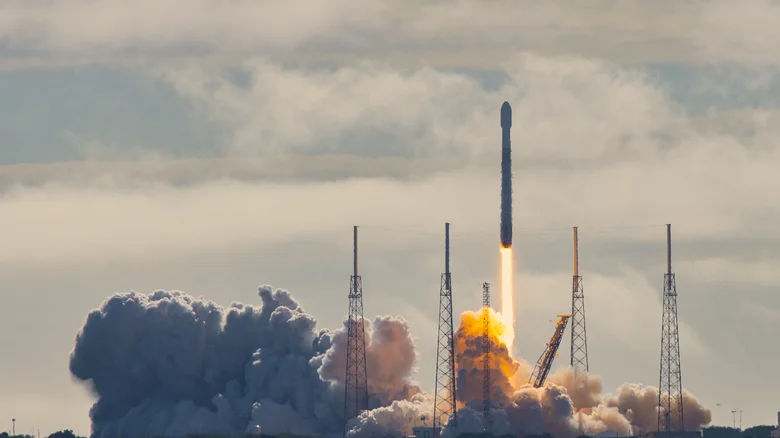
SpaceX is preparing to pour over **$100 billion** into Louisiana’s Vermilion Parish, transforming a stretch of coastal marshland into a massive launch site meant to rival Florida’s iconic Kennedy Space Center.
Set to become the company’s **fourth—and largest—launch complex**, state officials are already predicting the facility could eventually support **thousands of launches each year**.
According to Louisiana Economic Development, the sprawling campus will feature **five launch complexes**, housing **two pads each**.
It won't just be launchpads, either. The site will function as a self-contained aerospace hub complete with:
- Propellant production facilities
- Fuel farms
- Power generation
- Vehicle processing facilities
- Dedicated housing for SpaceX employees and their families
Given SpaceX’s long-standing effort to scale up Starship operations at Kennedy Space Center, building a dedicated, fully owned alternative makes strategic sense.
Construction is slated to begin in **2027**, with the first launches targeted for as early as **2029**.
The project is expected to create **3,000 direct jobs** over the next decade, alongside thousands of indirect opportunities in the surrounding region.
If SpaceX manages to pull off this launch volume, Louisiana will suddenly find itself at the very center of next-generation space exploration.
---
## Why SpaceX Needs So Much Room for Starship
This massive footprint directly supports SpaceX’s high-stakes plans for **Starship**.
Built to be fully reusable and capable of carrying **over 100 metric tons of payload into orbit**, Starship is intended to handle everything from:
- Commercial satellite deployments
- Deep-space missions
- Lunar landings
It is also the cornerstone of **Elon Musk’s** long-term dream to establish a self-sustaining city of **one million people on Mars**—an ambition so central to his vision that he tied his massive **200-million-share compensation package** to reaching these milestones.
However, even the most reusable rocket is limited by ground infrastructure.
**Turnaround speed is everything**, which explains why SpaceX is planning **10 distinct launchpads**.
The goal is to create a seamless operational pipeline where vehicles can:
1. Land
2. Undergo maintenance
3. Be processed for another mission
4. Return to space with minimal downtime
Even without considering Mars, immediate demand for Starship is already immense.
SpaceX continues to secure lucrative U.S. government defense contracts, including a recent **$714 million Pentagon award** covering five military space missions.
While these payloads currently fly on Falcon rockets, SpaceX is clearly laying the groundwork to shift its primary operational workload over to Starship.
---
## The Reality of Building in a Marsh
Turning a vulnerable wetland into a heavy-industrial spaceport comes with significant **environmental and engineering challenges**.
Before heavy equipment can even move in, SpaceX will need to stabilize and restore portions of the shoreline.
This step is critical: Vermilion Parish is projected to lose up to **186 square miles of land over the next 50 years** due to erosion, making coastal preservation a top priority.
### Environmental Challenges
Environmental oversight will also be tight.
SpaceX must:
- Minimize its impact on local wildlife habitats
- Protect commercial fisheries
- Establish mitigation plans for potential damage caused by launch operations
- Address the long-term effects of industrial development on the coastal environment
### Infrastructure Requirements
Finally, the surrounding infrastructure requires a total overhaul.
Local roads and bridges will need reinforcement, while entire utility networks must be built to deliver power to the site.
SpaceX is expected to foot the bill for these infrastructure upgrades.
To help offset local impacts, the company has agreed to a tax arrangement that includes:
- **$20 million upfront** before construction starts
- At least **$25 million annually** for the next **25 years**
This combination of massive investment, extensive launch infrastructure, and significant environmental challenges makes the Louisiana project one of SpaceX’s most ambitious expansion plans yet.